




Key messages:
- Designated Landscapes are essential for delivering nature recovery in Wales. But they require continued strengthening.
- Wales can be a leader in demonstrating how Designated Landscapes can deliver nature recovery in an inclusive, measurable and credible way.
- Collaboration is key. Designated Landscapes are places where many people have a stake. Farmers, foresters, local communities, water users, public bodies and NGOs should all be pulling together with shared responsibility.
Policy asks:
- Only areas with long term management plans for nature recovery should be considered for the 30by30 target
- Nature recovery must become the priority for national parks and national landscapes and embedded into all planning, delivery and monitoring of Designated Landscapes.
- Nature recovery will not be successful without appropriate resourcing to deliver the environment monitoring required. There needs to be an increase in skills and knowledge across the existing network.
- Future management plans must be developed and delivered inclusively, with genuine consultation and engagement of those who live in, work in or visit Designated Landscapes.
A new report by The British Ecological Society calls for stronger support, clearer leadership, and greater collaboration to unlock the full potential of Wales’ Designated Landscapes.
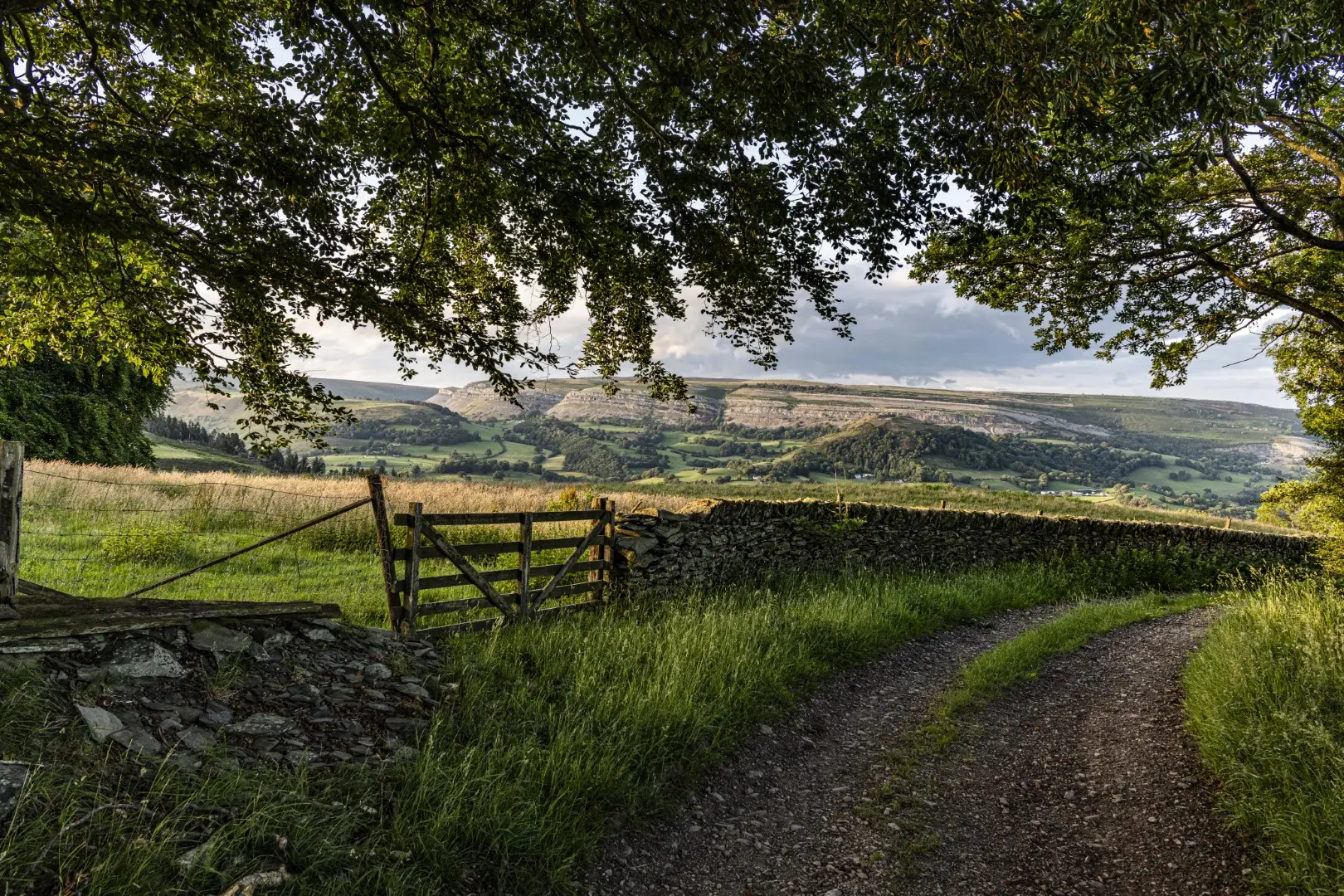
From the hills of Bannau Brycheiniog, the dramatic coastline of Pembrokeshire and the woodlands and river of the Wye Valley, Designated Landscapes, are central to delivering nature recovery in Wales. But to deliver nature recovery and ensure Wales meets its 30by30 targets, protections must be strengthened say ecologists in a new independent report produced by British Ecological Society.
Nature recovery is a priority
There are only five years remaining for Wales to meet internationally agreed targets to halt and reverse biodiversity decline and protect 30% of land and sea by 2030. But progress is slow. A recent 30by30 UK Progress Report by Wildlife and Countryside Link found that only 2% of Wales’ land is effectively protected for nature.
The current lack of pace has been noted in the Senedd by the Climate Change, Environment and Infrastructure (CCEI) Committee.
To avoid the escalating nature crisis in Wales, the report urges nature recovery to be at the forefront of long-term management plans for designated areas. Designated Landscape management bodies also require increased resources to overcome current skills and capacity gaps, particularly in data analysis, GIS, and ecological monitoring, that are holding back progress on nature recovery goals.
Designated Landscapes include both National Parks and National Landscapes and currently cover 25% of Wales. But these landscapes are being asked to deliver a lot for different people with different priorities. What’s more, Designated Landscape management bodies are lean organisations, being asked to deliver this on limited resources.
Collaboration and shared responsibility
The report emphasises that Designated Landscapes are spaces governed by partnerships of different groups of people who all have a stake.
“Designated Landscapes can’t deliver nature recovery in isolation,” said Howard Davies, Independent Environmental Advisor and co-lead author of the report. “Their plans have real impact only when shaped and owned by the people who live, work, and depend on these places. Collaboration is therefore essential — to connect land use decisions with local experience, to ensure that every voice is heard, and to balance the diverse needs and ambitions that together define these landscapes.”
While Designated Landscape management bodies set management plans, they own very little of the land, meaning decisions and actions must be collaborative.
Ruth Lovell, from Tirweddau Cymru and co-lead author of the report, said “The vital contribution and resource that Designated Landscapes bring is through the expertise and knowledge of staff working locally that understand their landscapes, and this is what they bring to collaboration. We don’t own a lot of land, so what we do is always in partnership and that is completely priceless.”
Wales has an opportunity to deliver
Wales is uniquely positioned to be a leader in demonstrating how Designated Landscapes can deliver nature recovery. In addition to the duties on public bodies under the Wellbeing of Future Generations Act, part of this opportunity comes from geography.
“Wales is compact enough for joined up action, so we can do something as a network that we couldn’t do elsewhere. National strategies for nature recovery in our Designated Landscapes can be realistically rolled out across the country.” Explained Howard.
Ruth added: “I’d like to see Natural Resources Wales and the Welsh Government to show leadership and be unequivocal around the clear role Designated Landscapes have in nature recovery in Wales.”
“If we get this right, there’s a future where Welsh Designated Landscapes are delivering for nature, where local communities are engaged and future generations benefit from enhanced wellbeing, and our landscapes are resilient to future challenges.”